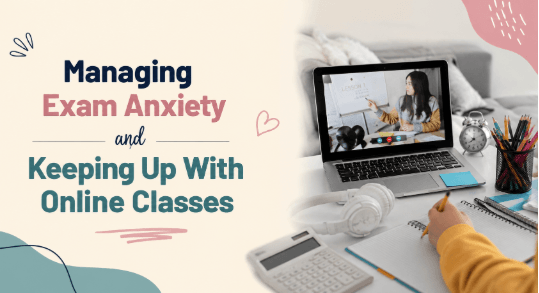

Online learning has become a major part of education in the United States. It gives students more flexibility and access to courses from anywhere. But it also brings new problems that many learners are not ready for.
Unlike traditional classrooms online education needs strong self-discipline. Students must manage their own time, attend virtual classes and complete assignments without much supervision. Because of this many students struggle to stay consistent.
In this article, we will look at the main challenges students face in online learning. We will also discuss simple ways to manage exam anxiety and keep up with online classes in a better way.
Why Online Learning Can Be Difficult
Online learning sounds easy but it is often more demanding than traditional education. Students must stay focused without teachers physically present. They also need to manage distractions at home.
Many students feel less motivated in virtual classes. Some even fall behind because there is no fixed classroom routine. Over time this leads to stress and poor performance.
Growing Academic Pressure on Students
Today students face more academic pressure than before. Many of them try to balance studies, jobs and personal life at the same time. This creates a heavy workload.
In fact, search terms that pay someone to do my online class show how overwhelmed some students feel with online education. This does not mean students want to avoid learning. It simply shows they need more help in managing their studies.
Many students also turn to academic platforms to keep pace with their coursework. These services are often utilized when students feel they are unable to manage deadlines or complex subjects on their own.
Why students need academic support
Students usually seek help because of:
- Too many assignments at once
- Hard subjects without teacher guidance
- Work or family responsibilities
- Poor time management
- Stress from continuous exams
These problems show that online learning requires strong planning skills and help systems.
Mental Stress in Online Learning
Online education can also affect mental health. Many students feel alone because they do not interact with classmates in person.
Long screen time also causes tiredness. Students may feel bored, stressed or disconnected from studies. When this continues for a long time it leads to burnout.
Because of this students need to take care of both their studies and mental health.
Understanding Exam Anxiety
Exams are stressful for most students. But online exams can make this stress even worse. Technical issues, time limits and lack of preparation can increase fear and nervousness.
Students may feel pressure before exams or struggle to focus during tests. This condition is known as exam anxiety.
See also: AI-Driven Business Processes
Exam anxiety tips for students
Here are some simple exam anxiety tips for students to reduce exam stress:
- Study a little every day instead of last-minute cramming
- Take practice tests before exams
- Sleep well before exam day
- Use breathing exercises to stay calm
- Avoid distractions while studying
- Stay positive and confident
These small steps can make a big difference in performance.
Struggling to Keep Up With Online Classes
Many students find it hard to keep up with online classes. Without fixed schedules, it is easy to miss lectures or delay assignments.
Why students fall behind
- No daily classroom routine
- Too many distractions at home
- Poor time planning
- Heavy course load
- Low interest in virtual classes
If students fall behind too much, catching up becomes even harder.
How to stay consistent
Students can improve their performance by:
- Making a daily study plan
- Using a calendar or reminder app
- Watching recorded lectures again
- Completing small tasks step by step
- Avoiding procrastination
These habits help students stay on track.
Balancing Study and Mental Health
Good performance in online learning is not just about studying more. It is also about balance.
Students need time for rest, sleep and relaxation. Without balance, stress builds up and reduces focus.
Simple lifestyle habits like short breaks, light exercise and proper sleep can improve both mental health and academic results.
How Technology Helps Students Learn Better
Technology plays a big role in modern education. It helps students access learning materials anytime. AI tools and online platforms make studying easier and faster.
But students should use technology in the right way. Overuse or distraction from devices can also reduce productivity.
When used properly technology can improve learning and reduce stress.
Conclusion
Online learning is now a normal part of education. It gives many benefits but also brings real challenges.
Students often struggle with exam anxiety, workload pressure and difficulty managing online classes. These issues can affect performance if not handled properly.
By building better study habits, managing time wisely and using help when needed students can succeed in online education. The key is balance, discipline and consistency.
FAQs
1. What is online exam anxiety?
Online exam anxiety is stress or fear students feel during virtual exams due to pressure or lack of preparation.
2. Why do students struggle with online classes?
Students struggle because of distractions, lack of routine and difficulty managing time.
3. How can students reduce study stress?
Students can reduce stress by planning study time, taking breaks and staying organized.
4. What helps improve online learning performance?
Good time management, regular study habits and focus improve performance.
5. Is online learning harder than traditional learning?
For many students, yes. It requires more self-discipline and planning.
Author Bio
James Smith is an academic writer who focuses on educational content related to online learning, student productivity and academic service.


 By
By