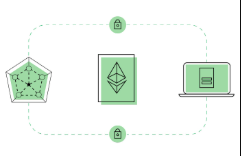

AI-driven business processes integrate intelligent technologies into core workflows to capture, transform, and deliver value. They orchestrate decisions, automation governance, and human collaboration across functions, aligning strategy with operations. With data lineage and governance, organizations gain traceability and trust while preserving freedom to innovate at scale. Scalable automation reduces latency and error, but the path from pilot to enterprise is defined by data stewardship, change management, and cross-functional metrics that demand ongoing discipline and clarity.
What Are AI-Driven Business Processes
AI-driven business processes integrate intelligent technologies—such as machine learning, robotic process automation, and natural language processing—into the core workflows that capture, transform, and deliver value.
They orchestrate decisions, automation governance, and human collaboration across functions, aligning strategy with operations.
Data lineage provides traceability, ensuring accountability, compliance, and continuous improvement while preserving freedom to innovate and scale with confidence.
How AI Transforms Core Operations
AI enables core operations to shift from manual, siloed tasks to integrated, data-informed workflows across planning, execution, and monitoring.
The transformation is driven by scalable automation, reducing latency and error.
An implementation blueprint guides deployment, balancing experimentation with governance.
AI governance and data stewardship establish accountability, transparency, and trust, enabling cross-functional alignment and measurable performance gains across enterprise processes.
Building Blocks: Data, Governance, and People
Building blocks for AI-enabled organizations hinge on data integrity, governance rigor, and people-centric adoption. The discussion frames data governance as a foundation, data quality as measurable input, and change management as a disciplined mode of transformation. A robust people strategy aligns skills with goals, enabling autonomous teams to implement, iterate, and sustain AI-enabled processes with clarity, accountability, and freedom.
From Pilot to Scale: Practical Implementation Blueprint
What concrete steps bridge a successful pilot to broad-scale adoption, and how can organizations lock in measurable value while expanding scope?
The blueprint anchors AI governance, data stewardship, and AI ethics, aligning human in the loop with disciplined change management.
Scalable mechanics emphasize risk mitigation, performance dashboards, phased rollouts, and continuous improvement, ensuring responsible, freedom-supporting expansion across processes and teams.
Frequently Asked Questions
How Do I Measure ROI From Ai-Driven Processes?
ROI measurement for AI-enabled workflows relies on cost reductions, productivity gains, and revenue uplift, with a disciplined approach to data collection. Process automation impact is quantified through benchmarks, dashboards, and scenario analyses, guiding implementation toward scalable, freedom-oriented outcomes.
What Are the Common Security Risks and Mitigations?
Security risks surface, sparking strategic safeguards: mitigation strategies, governance controls, and threat modeling drive disciplined defenses. The vigilant organization values freedom through data-driven, implementation-focused measures, balancing risk with resilient architectures and ongoing, auditable security improvements.
How Do You Handle Data Privacy Across Departments?
Data privacy across departments is achieved via strict data minimization and transparent data lineage, enabling cross-functional trust. The approach is vision-driven, implementation-focused, and data-driven, empowering teams to pursue freedom with auditable controls, standardized policies, and continuous privacy improvement.
Which AI Vendors Best Fit Mid-Market Companies?
Mid-market organizations should evaluate AI vendors that balance scalability and security; the right choices enable AI-driven processes with clear ROI measurement. Visionaries monitor performance, prioritize integration, and pursue freedom through data-driven implementations and measurable gains.
See also: techactually
What Skills Become Obsolete With AI Workflow Changes?
Obsolete roles emerge as routine cognitive tasks shift to autonomous workflows, while Automation fatigue signals the need for strategic upskilling, governance, and humane design. The vision remains data-driven: redefine talent, empower experimentation, and implement resilient, freedom-centered processes.
Conclusion
In the ongoing loom of business, AI-driven processes are the spindle and thread binding data, governance, and people into dependable tapestries. Each metric is a compass feather, guiding decisions with clarity; each governance guardrail is a lighthouse turning muddied seas into navigable routes. As pilots mature into scales, the factory floor becomes a landscape of tuned symphonies—predictable, fast, trustworthy. The loom endures, weaving value from insight into impact, scale into stewardship, and uncertainty into momentum.


 By
By