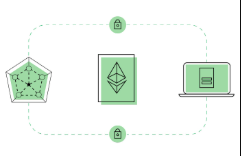

Ethereum gas optimization hinges on disciplined pricing, batching, and lean contracts. A well-structured strategy aligns gas price with urgency, while built-in fail-safes manage volatility. Batch processing can raise throughput and cut per-transaction costs, and timing reduces on-chain overhead. Smart contracts should minimize storage and use deterministic data layouts. Layer-2s and tooling offer fee relief without harming UX, yet the choices must be balanced. The tradeoffs, and the hidden levers, await exploration.
How to Pick a Gas Price Strategy That Fits Your App
Choosing a gas price strategy begins with aligning transaction urgency and user experience with cost tolerance. The detached analyst evaluates app needs, volatility, and typical user friction. A pragmatic approach favors a defined gas price strategy, with clear tiers and fail-safes. Batch processing improves throughput and predictability, reducing per-transaction costs while maintaining acceptable confirmation times. Flexibility remains essential for evolving demand.
How to Reduce On-Chain Costs With Batching and Timing
Batching and timing are practical levers for lowering on-chain costs. The approach aggregates multiple operations into a single transaction or block window, reducing per-operation overhead.
How to Optimize Smart Contracts for Lower Gas Usage
Smart contract design directly shapes gas efficiency by reducing on-chain computations and storage reads. The analysis emphasizes disciplined data layouts, minimal state changes, and deterministic flows to curb gas metering costs. Implementers pursue low level optimizations in bytecode and function calls, applying careful sequencing and minimal ephemeral storage. Pragmatic trade-offs favor readability, security, and predictable costs over speculative micro-optimizations. Freedom-focused, efficient engineering prevails.
How Layer-2s and Tooling Curb Fees Without Sacrificing UX
Layer-2 solutions and complementary tooling present practical avenues to reduce transaction costs while preserving user experience, by shifting work off-chain and optimizing on-chain interactions.
Layer-2 tradeoffs are weighed, balancing throughput, finality, and security.
UX focused tooling streamlines flows, abstracts complexity, and automates batching.
The approach favors predictable fees, transparent routing, and modular tooling to maintain freedom without sacrificing reliability.
See also: AI-Powered Data Analysis
Frequently Asked Questions
How Does Ethereum’s Gas Price Impact User Experience Over Time?
Gas price directly shapes user experience over time, influencing transaction throughput, cost predictability, and application responsiveness; as fees fluctuate, user frustration or satisfaction shifts, impacting adoption and perceived network efficiency, stake, and long-term platform freedom.
Can Gas Fees Affect Contract Security or Correctness?
Gas fees can influence contract security and correctness indirectly through timing and failure modes, but do not inherently compromise code logic. Suspense builds as gasless wallets and flash loan risks shape operational risk and trust in protocols.
Do Audits Influence Gas Efficiency After Deployment?
Audits influence gas efficiency after deployment by revealing inefficiencies and confirming optimizations. They document auditing effects on runtime costs and resource use, guiding ongoing refactoring. Post deployment findings help maintain security, performance, and freedom through disciplined cost management.
What Are Hidden Gas Costs From Event Logging?
Hidden costs from event logging include topics, data blobs, and indexed fields increasing SLOADs and gas; a notable statistic shows that 70% of event log storage costs arise from non-indexed data, impacting throughput and cost-efficiency for free-spirited developers.
How Do Oracle Interactions Alter Total Transaction Fees?
Oracle interactions affect total transaction fees by adding additional calldata and computation, shifting gas price dynamics, potentially raising overall costs while sometimes enabling cheaper on-chain data via specialized feeds, though reliability and latency tradeoffs remain critical for cost planning.
Conclusion
Conclusion: Smart gas optimization blends tactical timing with architectural discipline. By harmonizing tiered price strategies, batching, and disciplined contract design, apps curb costs without sacrificing reliability. Layer-2s and tooling extend this efficiency, offering modular routing and transparent UX. The result is a lean engine where every gas token earns its keep; like a well-tuned orchestra, cost, speed, and predictability play in concert, delivering predictable performance with minimized fees.


 By
By