
AI-driven creativity reframes design and art as iterative systems rather than fixed outcomes. Machines generate novel forms, textures, and temporal dynamics that push beyond traditional constraints. Narrative tempo, causality, and perception blur under algorithmic influence. Critics demand clarity amid experimentation, yet acknowledge rigor as a constraint that sharpens meaning. With disciplined workflows and transparent ethics, such work offers measurable potential and raises questions about authorship, governance, and responsibility that compel further exploration.
How AI Expands Creative Possibilities in Design and Art
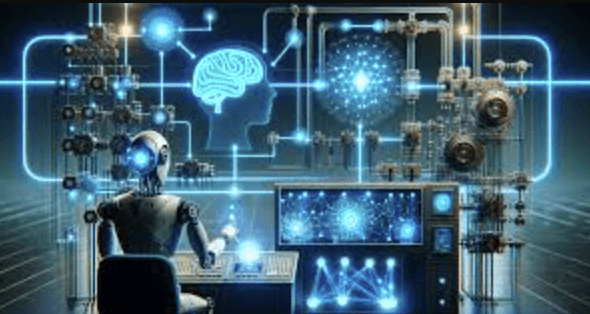
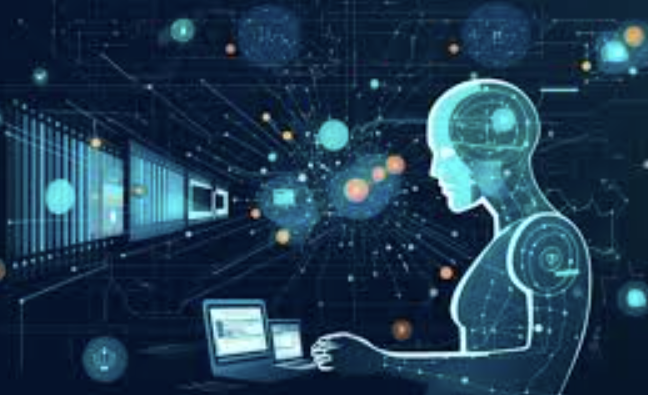
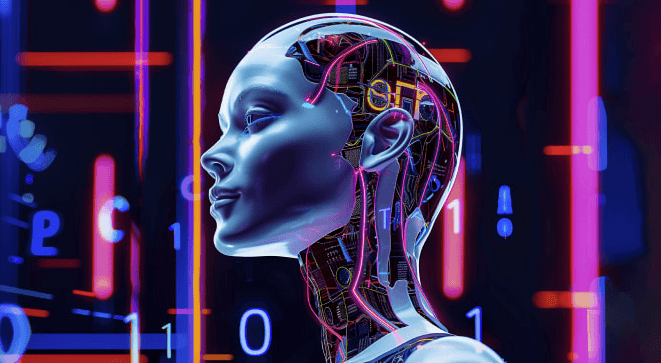
AI technologies extend the palette of design and art by generating novel forms, textures, and temporal dynamics that surpass traditional constraints.
The discussion surveys AI generated outputs shaping design aesthetics, where algorithmic storytelling redefines narrative tempo and spatial causality.
Interdisciplinary scrutiny ties color theory to perceptual shifts, enabling adaptive palettes and emergent motifs.
Critics seek clarity amid experimentation, recognizing freedom within rigor.
Building a Practical AI-Driven Workflow for Prototyping
This paragraph outlines a disciplined approach to establishing a practical, AI-driven workflow for prototyping, merging methodical rigor with experimental exploration. The narrative describes concise prototyping workflows, integrating iterative cycles, rapid validation, and cross-disciplinary collaboration. AI assisted ideation surfaces diverse concepts, while structured review gates prevent drift. The emphasis remains exploratory yet disciplined, fostering freedom within disciplined boundaries and measurable, transferable results.
Evaluating Ethics, Authorship, and Value in AI Artwork
Evaluating ethics, authorship, and value in AI artwork requires a precise calibration of principles, practices, and outcomes across technical, legal, and cultural domains. This interdisciplinary examination engages ethics auditing, authorship attribution, and value assessment to map originality provenance, monitor bias, and define fair credit. It emphasizes transparent criteria, reproducible judgments, and open discourse, aligning creative autonomy with responsible accountability for AI-generated artifacts.
A Step-by-Step Guide to Implementing AI Tools Responsibly
How can organizations translate ethical intention into concrete practice when deploying AI tools? A step-by-step method emphasizes governance structures, stakeholder mapping, and iterative risk assessment. It maps concept tradeoffs, aligning creativity with accountability.
Practical steps include transparent data sourcing, bias testing, and adjustable autonomy limits. Tool governance disciplines ensure reproducibility, auditability, and ongoing reevaluation within interdisciplinary teams, fostering responsible experimentation.
Frequently Asked Questions
How Can Ai-Generated Art Impact Traditional Art Markets and Values?
AI-generated art prompts AI market disruption and prompts an authorship value shift, affecting traditional markets as curation, provenance, and perception recalibrate. A detached observer notes interdisciplinary rigor, experimental discourse, and a freedom-seeking audience navigating evolving valuation, authenticity, and access.
What Skills Should Artists Learn Beyond Tool Operation?
Like a compass turning unseen, the answer locates what artists should learn beyond tool operation: curation skills and ethical practice drive rigorous, experimental, interdisciplinary work for audiences seeking freedom, shaping responsible, boundary-pushing practice within evolving creative industries.
Can AI Truly Reflect Authorial Intent or Only Imitate Data?
AI authorship can simulate style and intent but hinged on data; true authorial agency remains contested, balancing ethical originality with data fidelity, signaling AI as tool rather than autonomous creator within creative freedom.
How Do AI Tools Affect Collaboration Between Designers and Clients?
Design collaboration involving AI tools reshapes dynamics, enabling iterative cycles and shared authorship, while client communication becomes more data-informed, transparent, and exploratory; tensions arise from misaligned timelines, value judgments, and epistemic gaps across disciplines, demanding structured protocols and reflective practice.
See also: AI-Driven Business Processes
What Long-Term Societal Effects Might AI Creativity Have?
AI creativity may reshape society through AI governance, provoking debates on ethics accountability; it could bolster cultural resilience yet risk homogenization, with synthetic inspiration expanding fringe ideas, while interdisciplinary rigor challenges norms and invites freedom within responsible innovation.
Conclusion
In the dim glow of prototypes, patterns unfurl like tentative constellations, each stroke a forecast of possibility. The workflow, meticulous and iterative, reveals how intention negotiates with chance, how ethics threads through every palette choice and attribution. Yet the final image lingers just beyond reach, a whisper of what remains unsaid. As designers push into algorithmic ambiguity, accountability anchors the voyage, while curiosity compels the next experiment—an unsettled horizon where creativity and consequence entwine, awaiting its next reveal.


 By
By